“Coffee raw bean grading” search results (2000)
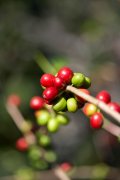
The way of sieve grading is to grade according to the size of raw coffee beans. The raw bean passes through the iron with holes.
The way of grading according to the screen is the method of grading according to the size of raw coffee beans. Raw beans are graded by determining the size of the beans through a holed iron plate sieve. The size of the hole in the screen is 1x64 inches (less than 0.4mm), so the size of the screen indicates that there are several screens with a size of 64 inches. For example, the size of the screen size 17 is 17thumb 64 inches, which is about 6.75mm, so the screen
2016-05-10 Sieve grading way is pressed coffee raw beans size method pass hit
On the grading of raw coffee beans
The last step in the processing of raw coffee beans is grading, so what are the grading methods of raw coffee beans? Do different countries adopt the same approach? At present, there are three main rating criteria for raw coffee beans, and different countries adopt different rating methods according to their own production conditions and national conditions (not all coffee producing countries adopt the same method).
2014-09-02 Coffee raw bean grading
Grading of raw coffee beans
At present, there are three main rating criteria for raw coffee beans, and different countries adopt different rating methods according to their own production conditions and national conditions (not all coffee producing countries adopt the same method). Let's introduce these three popular rating methods. One: the reason for the emergence of such a classification standard according to the altitude of the coffee producing area is mainly because of the high level.
2014-07-22 Coffee raw beans coffee raw bean grading coffee encyclopedia coffee knowledge
Coffee Raw Bean sieve grading Table (SCREEN SIZING)
Coffee is produced in more than 50 countries in the world, and different standards of raw bean classification have been derived, of which the most basic common classification method is the Screen Sizing classification method based on the particle size of raw coffee beans. The raw beans to be graded are put into the sieve plate and shaken continuously. Only the raw beans whose particles are larger than the pore diameter are retained, and the rest fall down.
2015-11-03 Coffee raw beans sieve grading SCREEN SIZING the world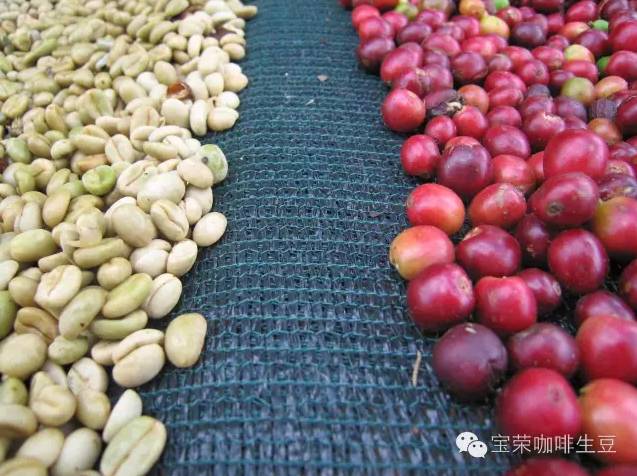
Read through the amount of information in the name of raw coffee beans
When we come into contact with coffee beans, we often see descriptions such as: Manning G1, GAYO Mountains, Aceh District, Sumatra, Indonesia. Do you often have the following questions: 1. What is the amount of information contained in the names of raw coffee beans? 2. Why sometimes the manor comes first in the name of coffee beans, and sometimes the description of treatment and grade is interspersed with its
2016-07-12 Read coffee raw bean name including what the amount of information
Graded coffee raw bean treatment
At present, there are three main rating criteria for raw coffee beans, and different countries adopt different rating methods according to their own production conditions and national conditions (not all coffee producing countries adopt the same method). Let's introduce these three popular rating methods. One: the reason for the emergence of such a classification standard according to the altitude of the coffee producing area is mainly because of the high level.
2014-09-18 Grading of raw coffee beans and treatment of raw coffee beans
Grading of raw coffee beans there are two ways to grade raw coffee beans.
There are two ways to classify raw coffee beans, one is the filter number, and the other is the elevation. It is divided by the filter number, and the size is size in terms of the screen size. Round beans are generally smaller than flat beans, between 8-13 and 12-29. 8, 9, 10. 12, 13. 18. 29 = small, medium, ordinary. Quasi-big. Big, extra large. The bigger the size, the bigger the beans. Like SC-.
2015-06-05 Coffee beans grading coffee raw beans methods two kinds
Basic knowledge of fine coffee grading of raw coffee beans
At present, there are three main rating criteria for raw coffee beans, and different countries adopt different rating methods according to their own production conditions and national conditions (not all coffee producing countries adopt the same method). Let's introduce these three popular rating methods. One: the reason for the emergence of such a classification standard according to the altitude of the coffee producing area is mainly because of the high level.
2015-04-17 Boutique coffee basics common sense raw beans grading at present
Grading standard of raw coffee beans
There are two ways to classify brown raw beans, one is to filter the number, and the other is to divide it by elevation. It is divided by the number of the filter screen, and the size is in the unit of the screen (size). Round beans are generally smaller than flat beans, between 8-13 and 12-29. 8, 9, 10. 12, 13. 18. 29 = small, medium, ordinary. Quasi-big. Big, extra large. The bigger the size, the bigger the beans. Like SC-1.
2014-08-20 Coffee knowledge grading standards coffee raw beans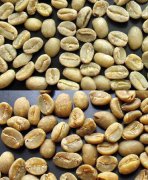
Grading of raw coffee beans
There are two ways to classify raw coffee beans, one is the filter number, and the other is the elevation. It is divided by the filter number, and the size is size in terms of the screen size. Round beans are generally smaller than flat beans, between 8-13 and 12-29. 8, 9, 10. 12, 13. 18. 29 = small, medium, ordinary. Quasi-big. Big, extra large. The bigger the size, the bigger the beans. Like SC-.
2014-07-01 Raw beans raw coffee beans coffee beans grading
How to distinguish the grade of raw coffee beans? why do raw beans also have grades?
The name of the raw bean processing plant. For example, the long list of names of Guatemala Antigua SHB- Finca Los Volcanes-Antigua-Los Crop tells us the following information: producing country: Guatemala (Guatemala)-Guatemala is a famous coffee producer in Central America. Producing area: Antigua (Antigua volcano)-- this is the famous volcano coffee in the country.
2016-10-17 Coffee raw beans grades how distinguish why also have grading
What exactly does the name of coffee mean?
1. What is the amount of information contained in the name of the raw coffee bean? 2. Why is it that sometimes the manor comes first in the name of the coffee bean, and sometimes the description of the treatment and grade is interspersed with it? what is the naming rule? Is there a uniform standard? 3. How to see the grade from the name of the raw coffee bean? This article will provide an in-depth answer to how to treat the naming of coffee beans, and
2016-08-25 Coffee name exactly what does it mean?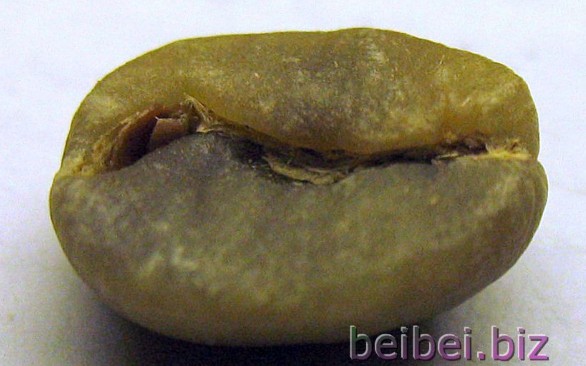
A brief introduction to the producing area of Jamaica Blue Mountain Grade 1 Coffee and the grading of raw beans and raw beans in Jamaica Blue Mountain Garden
Jamaica Blue Mountain Mavis bank Grade 1 raw beans. Because of its superior geographical and climatic conditions, Blue Mountain Coffee is superior to others in taste and aroma. The unique flavor of Jamaica Blue Mountain Mavis bank Grade 1 raw bean Blue Mountain Coffee is related to the geographical location and climatic conditions of the Blue Mountain. Generally speaking, south of the Tropic of Cancer and north of the Tropic of Cancer, this area
2015-11-26 Jamaica Blue Mountain Grade 1 Health Blue Mountain Garden Dousheng difference
Standard for grading of fine coffee beans, common sense coffee and raw beans
It is divided by the number of the filter screen, and the size is in the unit of the screen (size). Round beans are generally smaller than flat beans, between 8-13 and 12-29. 8, 9, 10. 12, 13. 18. 29 = small, medium, ordinary. Quasi-big. Big, extra large. The bigger the size, the bigger the beans. SC-19, for example, is the No. 19 bean. According to the elevation of the cultivated land, it can be divided into seven grades.
2015-01-13 Boutique coffee beans common sense coffee raw beans grading standards filtering number size
Classification standard of raw coffee beans
There are two ways to classify raw coffee beans, one is the filter number, and the other is the elevation.
2014-06-04 Coffee knowledge coffee raw beans grading standards
Quality coffee beans, knowledge, classification of raw coffee beans
There are two ways to classify raw coffee beans, one is the filter number, and the other is the elevation. It is divided by the number of the filter screen, and the size is in the unit of the screen (size). Round beans are generally smaller than flat beans, between 8-13 and 12-29. 8, 9, 10. 12, 13. 18. 29 = small, medium, ordinary. Quasi-big. Big, extra large. The bigger the size, the bigger the beans. Like SC.
2015-01-04 Boutique coffee beans knowledge coffee raw beans grading methods
General knowledge of fine coffee beans grading of raw coffee beans
There are two ways to classify raw coffee beans, one is the filter number, and the other is the elevation. It is divided by the filter number, and the size is size in terms of the screen size. Round beans are generally smaller than flat beans, between 8-13 and 12-29. 8, 9, 10. 12, 13. 18. 29 = small, medium, ordinary. Quasi-big. Big, extra large. The bigger the size, the bigger the beans. Like SC-.
2014-11-13 Coffee knowledge boutique coffee coffee bean common sense grading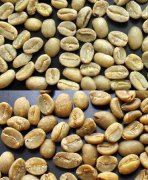
There are two methods for grading raw coffee beans in terms of sieve size, size
There are two ways to classify raw coffee beans, one is the filter number, and the other is the elevation. It is divided by the filter number, and the size is size in terms of the screen size. Round beans are generally smaller than flat beans, between 8-13 and 12-29. 8, 9, 10. 12, 13. 18. 29 = small, medium, ordinary. Quasi-big. Big, extra large. The bigger the size, the bigger the beans. Like SC-.
2015-10-05 Coffee raw beans grading method two kinds size sieve as a unit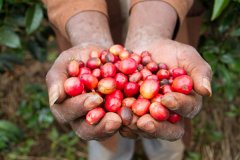
Colombian coffee raw bean grading method
One: according to the defect rate, the number of defective beans allowed per 500 gr sample:-Private raw bean exporter: 72 defects-National Coffee Council: 42 defects defective beans are divided into two types:-first: known as first-level defects-second: called second-level defects first: main defects (defects that affect coffee taste characteristics): black beans, moldy beans.
2015-11-03 Columbia coffee raw beans grading according to defect rate 500 samples beans
Classification standard of coffee raw beans for fine coffee
There are two ways to classify raw coffee beans, one is the filter number, and the other is the elevation. It is divided by the number of the filter screen, and the size is in the unit of the screen (size). Round beans are generally smaller than flat beans, between 8-13 and 12-29. 8, 9, 10. 12, 13. 18. 29 = small, medium, ordinary. Quasi-big. Big, extra large. The bigger the size, the bigger the beans. Like SC.
2014-09-03 Coffee knowledge boutique coffee beans coffee raw beans coffee bean grading